Past events & courses
-
Pre conference course G. (Bio)containment of GM plants - from Green Houses to Field Trials (1 ½ day, afternoon 17.05, 18.05)
Check all details hereRead more
-
Pre conference course H. Biological Waste handling (validation, technical aspects) (2 days)
Waste management is a topic of interest to all facilities who manage biological agents, no matter how large or small, private or public; but mostly it is not seen as a very exciting or sexy topic.Check out the details for this courseRead more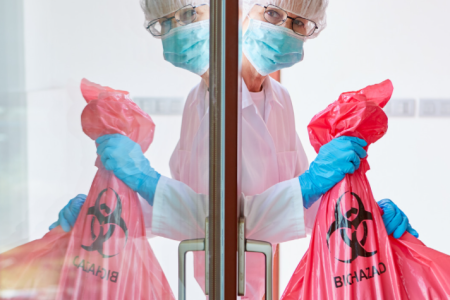
-
Pre conference course B. Fundamentals for (re)design of a safe and compliant BSL3 facility (2 day)
The course will include a site visit.Read more
-
Pre conference course A. Auditing: a comprehensive and practical introduction
This two day practical course provides a comprehensive and sound practical introduction to auditing. The course takes participants through the principles, recognized best practices and essential techniques of (HSE / biosafety) auditing. It provides them with guidance on planning and performing of an audit in line with international standards.Read more
-
Pre conference course F. Biorisk assessment and management: basic principles and how to get it right (1 day)
This course is aimed at defining and implementing the principles of risk assessment and risk management in different situations. Some situations are complex and present significant risks which need to be managed and demonstrated as effective. Suitable for early career and those wishing to improve risk assessment skills and knowledge.Check all details hereRead more
-
Pre conference course D. Personal protection equipment (PPE) – making optimal choices
This course will both give a theoretical overview of the use of personal protective equipment (PPE) in BSL2 and BSL3 laboratories and alsothe practical experience with different sorts of PPE.Read more
-
Blended learning
Instructors: Henrik Bregnhoj & Lawrence DicksonThis course will give you an introductory experience with application of current digital educational technologies like production and use of power point-based videos, planning and execution of webinars, and the use of an Learning Management SystemRead more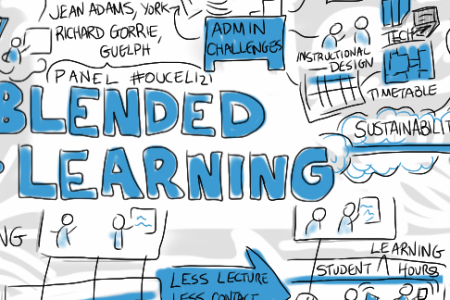
-
Personal Protective Equipment
Instructors: Ulrika Allard Bengtsson and Per StaugaardThis course will both give a theoretical overview of the use of personal protective equipment (PPE) in BSL2 and BSL3 laboratories ...Read more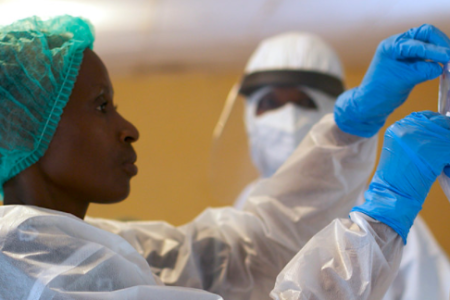
-
Epidemiology - what is it and what do these numbers really mean?
New date to be announced soon due to the instructor being out sick. Instructors: Andreea Dobrescu1. Introduction to Epidemiology 2. Summarizing Data3. Measures of Risk ...Read more